FreeStar delivers rapid multi-technology cable survey for TenneT
Subsea Survey Vessel Navicula Star mobilised within days for shallow-water cable inspection campaign
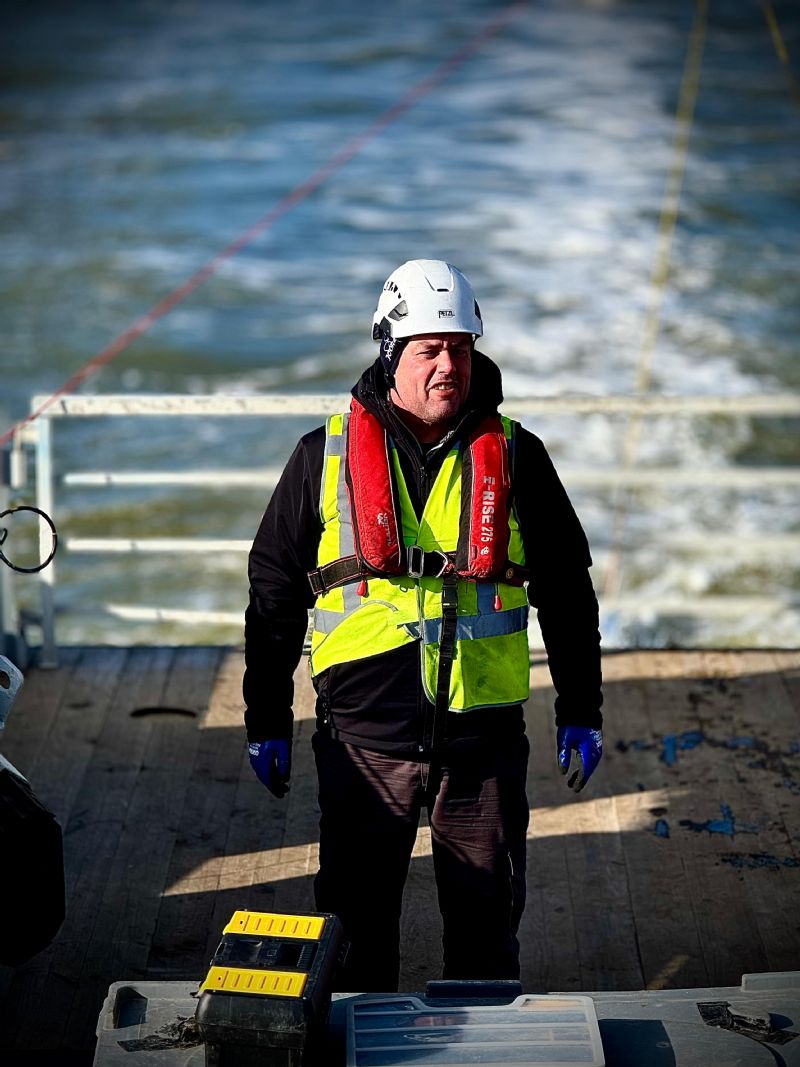
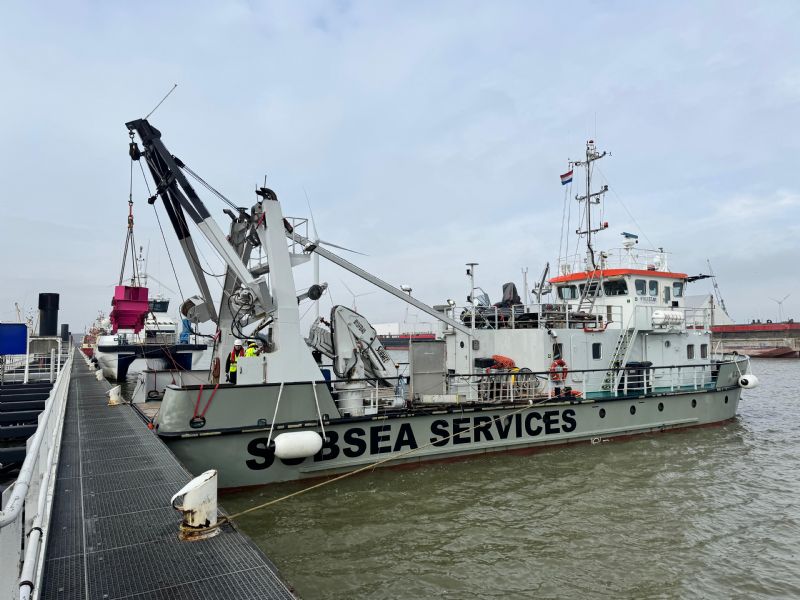
FreeStar Subsea Services and its project partner Seekable have successfully completed a subsea survey campaign for transmission system operator TenneT, mobilising multiple survey technologies aboard FreeStar’s vessel Navicula Star to inspect power cables off the Dutch coast.
The project took place in February 2026 near Eemshaven and focused on sections of the COBRA interconnector cable linking the Netherlands and Denmark. TenneT commissioned FreeStar to carry out a 4K ultra-high-definition video survey to carry out a depth of cable burial survey. For this project, Seekable introduced its new electro-magnetometer-based survey system to determine cable positioning and burial depth.
Multiple survey technologies in a single campaign
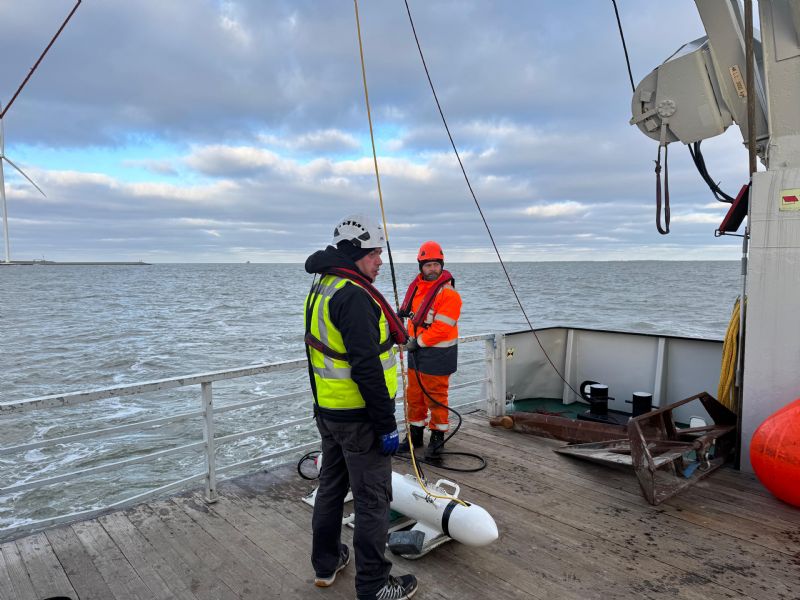
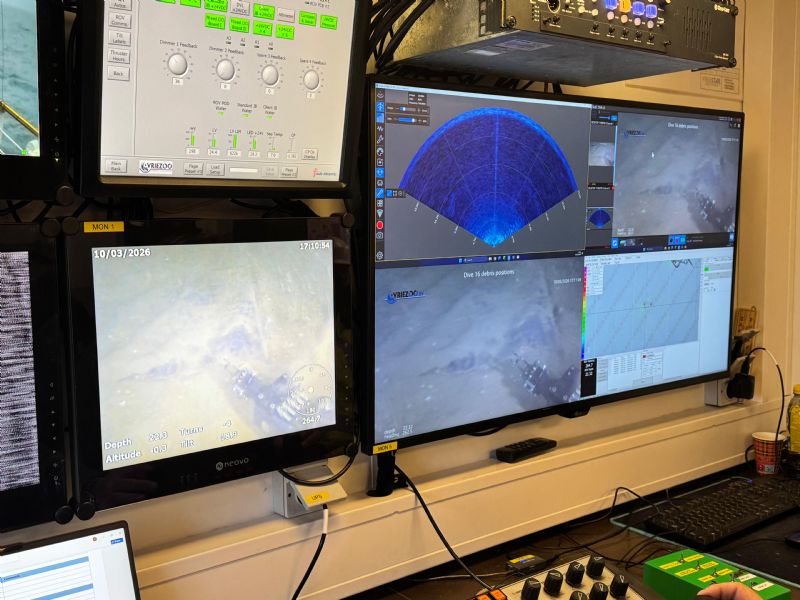
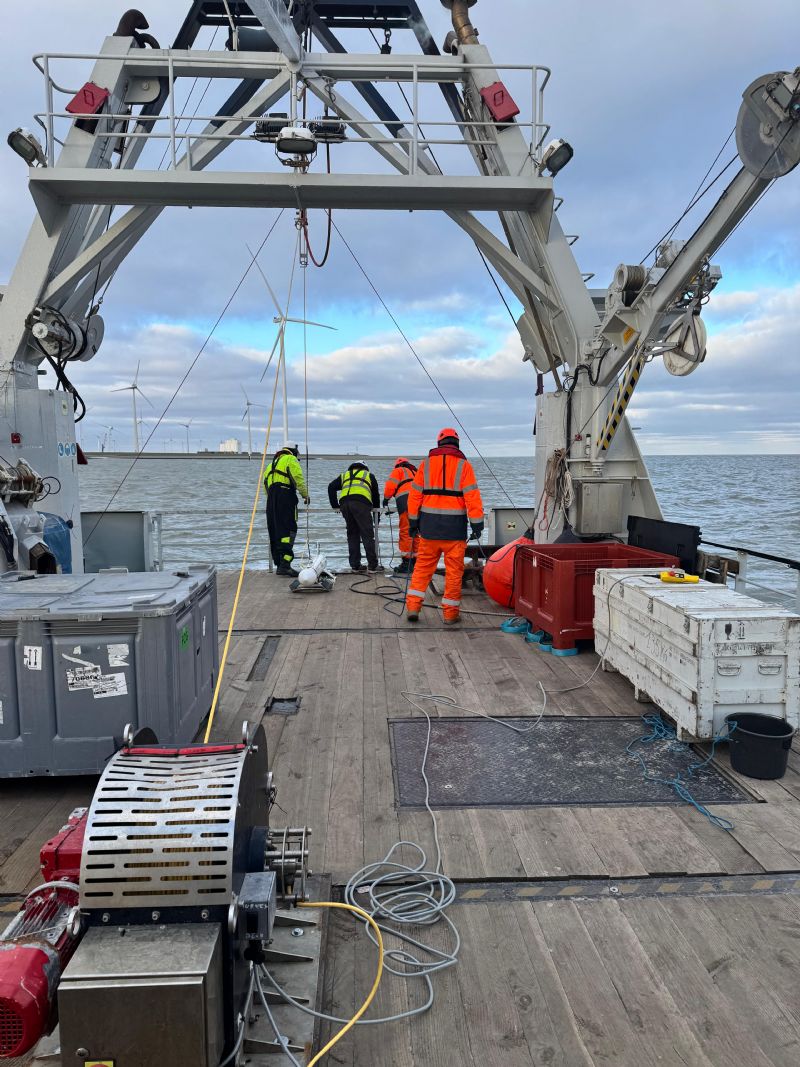
Operating in water depths of around five metres, FreeStar deployed its ROV inspection capabilities from the Navicula Star while simultaneously hosting additional survey technologies from specialist partners.
The campaign brought together three different cable detection and inspection methods on a single vessel. Alongside the ROV services of Vriezoo ROV Services, the project incorporated advanced sensing systems from MAPPEM and Seekable.
MAPPEM deployed both a mobile passive system and a seabed-based station capable of measuring extremely small electric and magnetic fields generated by HVDC cables.
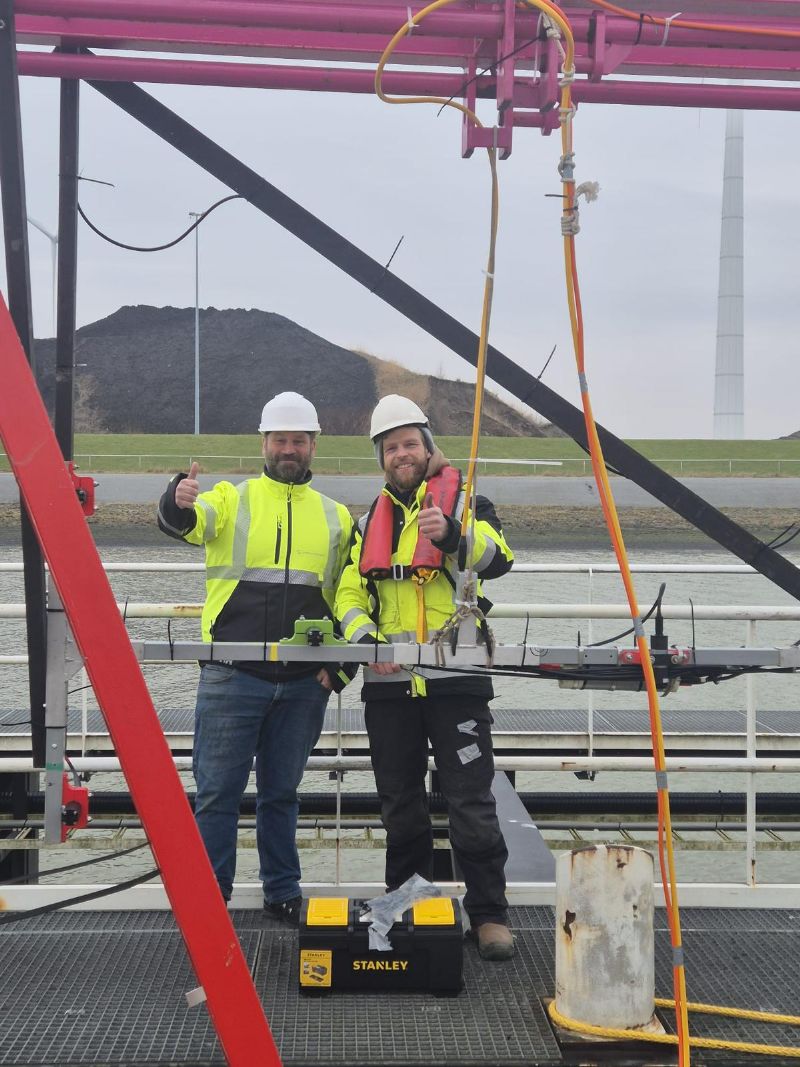
Seekable deployed its new electro?magnetometer cable tracking system to determine cable location and burial depth. Using a model?based analytical approach, the Seekable?TN?1 accurately predicts cable position even when the sensors are offset from the cable’s actual alignment.
Designed for offshore and nearshore environments, the TN?1 integrates high?resolution magnetic field measurements with advanced data modelling to deliver precise, real?time tracking results. This capability enables faster and safer cable route surveys, reducing vessel time and operational costs.
By combining these techniques, the project stakeholders were able to collect complementary datasets while operating from a single offshore platform.
Rapid mobilisation under tight timelines
A defining feature of the project was the speed of mobilisation. FreeStar coordinated the collaboration between the different partners and integrated the survey technologies into the vessel’s onboard systems within just a few days. “The teams had three working days to integrate Seekable’s system into the survey spread, including installing an umbilical connection and configuring data acquisition,” says FreeStar co-Founder Mark van der Star.
“Bringing three different survey techniques together on one vessel within such a short timeframe is the kind of challenge that we enjoy. It demonstrates what FreeStar aims to offer the market: a flexible offshore platform where different specialist companies can quickly come together to deliver high-quality data for the client.”
With its shallow draft and adaptable deck layout, the Navicula Star is particularly suited to shallow-water subsea operations such as bathymetric and geotechnical surveys, cable protection, and burial operations. The vessel is equipped to support ROV deployment, survey equipment and a range of offshore operations from a compact platform. Combined with its ability to mobilise quickly and accommodate multiple technologies on board, this makes the Navicula Star well suited for short-duration inspection and survey campaigns in coastal environments.
We use cookies to improve your experience. By continuing to use our site, you accept our Cookies, Privacy Policy,Terms and Conditions. Close X

